Staying warm and avoiding hypothermia
Hypothermia does not need freezing weather — wind and wet clothes are enough. How to spot it early and what to do.
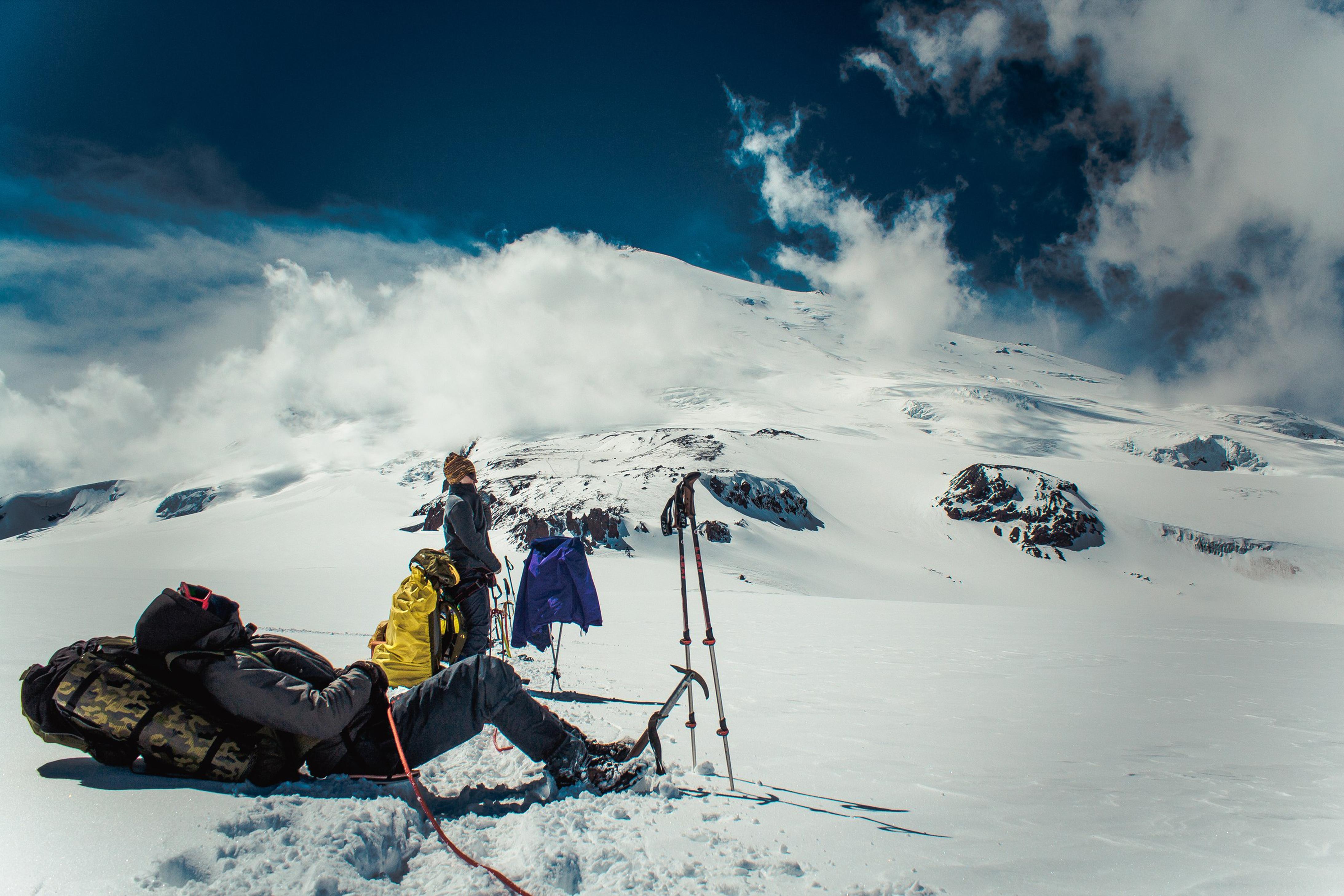
Hypothermia means the body is losing heat faster than it can make it. It often happens at mild temperatures when people are wet, in the wind, tired or hungry.
Prevention
- check_circleStay dry: change out of wet clothes and avoid cotton.
- check_circleGet out of the wind and put a layer on before you start to feel cold.
- check_circleEat and drink regularly; the body needs fuel to make heat.
- check_circleTurn back early when the weather turns — it is easier than coping in it.
Early signs
- check_circleShivering, cold pale skin.
- check_circleFumbling hands, slowing down, stumbling.
- check_circleTiredness, irritability, poor decisions.
Confusion, slurred speech, drowsiness or shivering that stops while the person is still cold are signs of severe hypothermia. Call the emergency number straight away — 112 in Turkey and Europe, 911 in North America.
What to do
- check_circleGet the person out of the wind and wet, into shelter if you can.
- check_circleReplace wet clothing with dry clothing.
- check_circleInsulate them from the ground and wrap them in blankets, a sleeping bag or a foil blanket; cover the head.
- check_circleShare body heat if you have nothing else.
- check_circleGive warm, sweet drinks and high-energy food only if they are fully awake and can swallow.
Do not rub their arms and legs, do not give alcohol, and do not put them in a hot bath or use direct heat. Handle them gently and keep a badly chilled person lying down rather than walking.
A foil blanket and a spare warm layer weigh almost nothing. Carry them on every trip, even in summer.

Pathsie keeps your emergency contacts with every trip; I'm Safe and SOS send your location to them in one tap, also from GPS Mode.
verifiedSources
This guide is based on the advice of these organisations.
- NHS — Hypothermiaopen_in_new
- Wilderness Medical Society guidelines on accidental hypothermia (AAFP summary)open_in_new
- British Mountaineering Council — A guide to hill walking clothing and layersopen_in_new
This guide is general information, not a substitute for training. Learn these skills on a course or with an experienced guide before relying on them.