Signalling for help
How to call rescue, what to tell them, and how to be seen and heard when the phone is not enough.
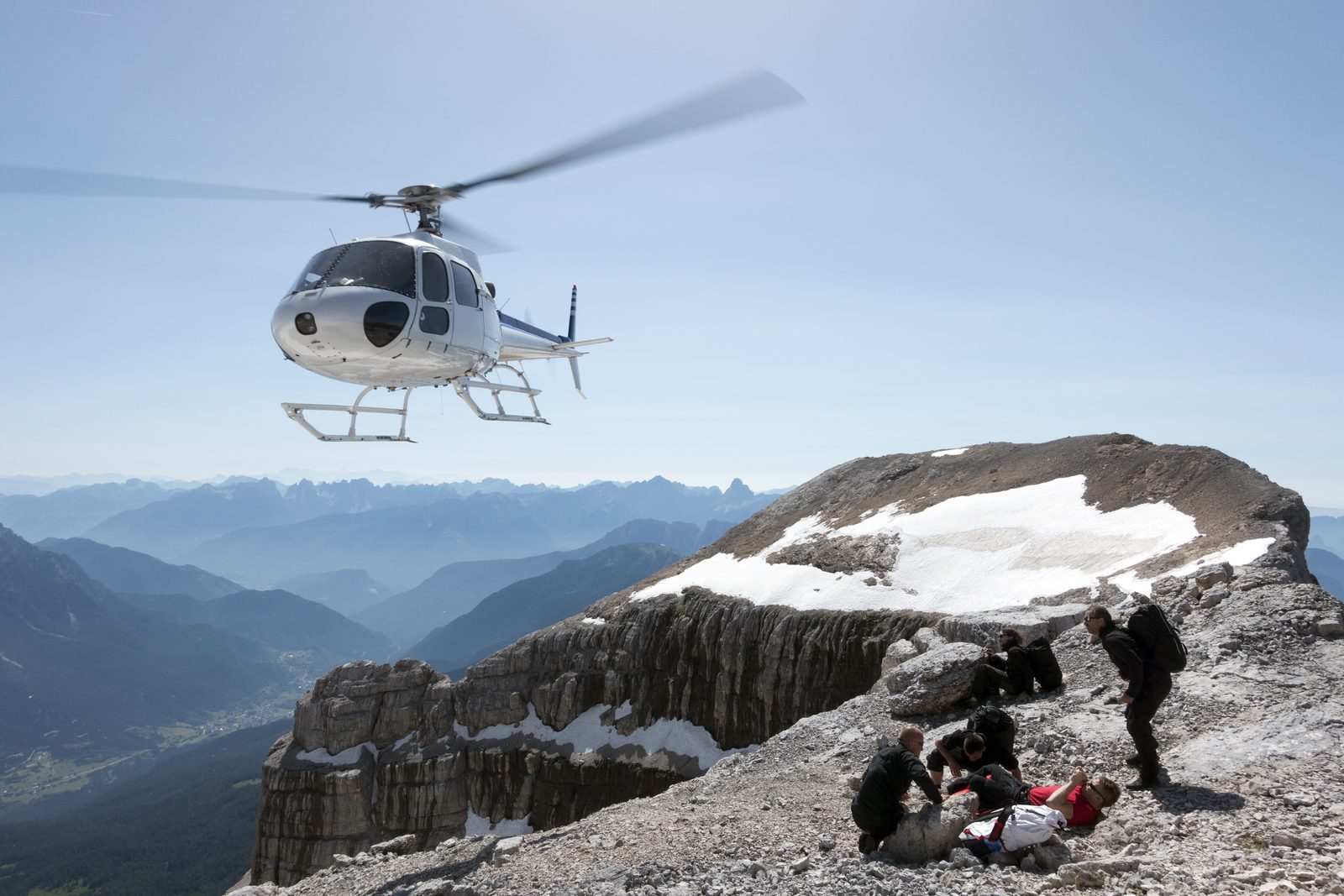
Rescuers can only help once they know something is wrong and roughly where you are. The sooner you raise the alarm, the more daylight they have to work with.
Call first
- check_circleCall 112 in Turkey and Europe, 911 in North America. In the UK, call 999 or 112 and ask for Police, then Mountain Rescue.
- check_circleA phone can reach 112 through any network that has coverage, even when your own operator has none.
- check_circleIf calls keep dropping, try a text message. In the UK you must register for emergency SMS beforehand by texting "register" to 999.
What to tell them
- check_circleWhere you are: coordinates from your phone or app, and anything you can see — a summit, a lake, a path junction.
- check_circleWhat happened, how many of you there are and whether anyone is injured.
- check_circleYour phone number, and that you will keep the phone on and stay put.
Learn before you go where your phone shows latitude and longitude. Rescue teams can work with them even if you cannot read a map grid.
Sound and light
- check_circleA whistle carries much further than a voice and costs no energy. Keep one on your pack strap.
- check_circleThe Alpine distress signal: six blasts or flashes in a minute, a minute of silence, then repeat. In North America three is used. The reply is three.
- check_circleAt night use a head torch, not your phone light, so the phone battery stays for calls.
- check_circleBright clothing, a survival bag or a group shelter spread out in the open is much easier to spot from the air.
When a helicopter comes
- check_circleNeed help: raise both arms in a Y.
- check_circleDo not need help: one arm up and one arm down, like an N. Never wave at a helicopter if you are fine.
- check_circleSecure loose gear and stay where you are. Do not walk towards the helicopter until the crew signals you to.
Once you have called, do not move unless the rescuers ask you to. A changed position is the most common reason searches take longer.

Pathsie's GPS Mode shows your coordinates in large type and sends them by SMS, WhatsApp or app alert to your emergency contacts in one tap.
verifiedSources
This guide is based on the advice of these organisations.
- British Mountaineering Council — What to do in a hill walking emergencyopen_in_new
- Alpine distress signal (international mountain rescue convention)open_in_new
- Kananaskis Country rescue groups — Signalling a helicopteropen_in_new
- Mountain Rescue England and Wales — Carry a head torchopen_in_new
This guide is general information, not a substitute for training. Learn these skills on a course or with an experienced guide before relying on them.