Lightning and bad weather
Mountain storms build fast, usually in the afternoon. How to plan around them and what to do if one catches you.
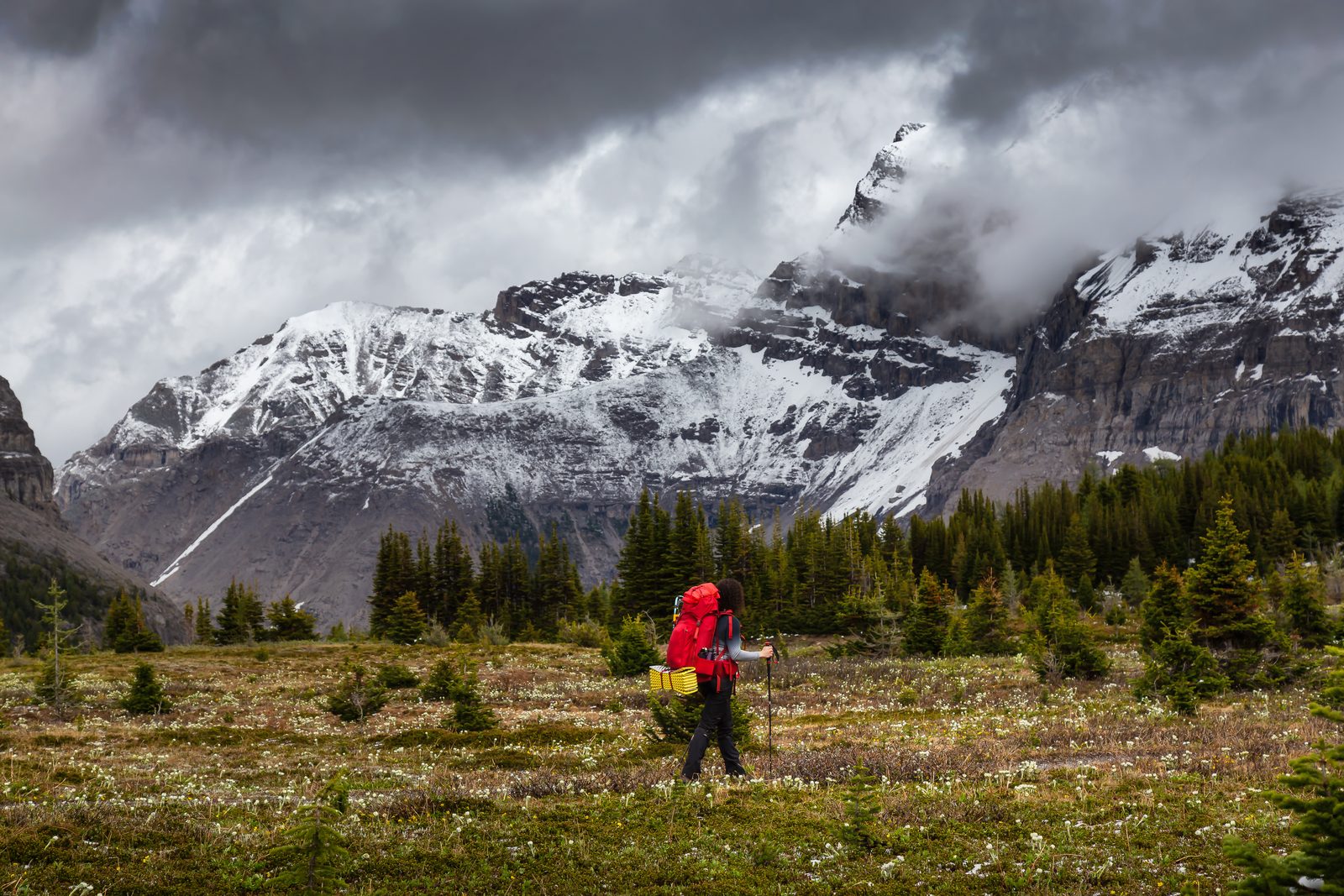
There is no safe place outdoors in a thunderstorm. The real protection is not being on a ridge or summit when it arrives — and that is decided in the morning.
Plan for it
- check_circleCheck the mountain forecast for the place you are going, not your home town. If storms are likely, choose a lower route or another day.
- check_circleIn summer storms usually build in the afternoon. Start early and be off high, exposed ground by early afternoon.
- check_circleWatch the sky: clouds that tower up quickly in the morning are a warning.
- check_circleKnow where you could shelter on the way: huts, buildings, your car.
When thunder starts
- check_circleIf you can hear thunder, you are close enough to be struck. Head for a building or a car straight away. A tent, an open shelter or a cave mouth does not protect you.
- check_circleGet down from summits, ridges and open hills. Stay away from single trees, masts and large boulders standing alone.
- check_circleKeep away from water and wet ropes and fences. Metal does not attract lightning, but it carries current.
- check_circleSpread a group out a few metres apart so one strike cannot injure everyone.
- check_circleWait 30 minutes after the last thunder before going back up.
Caught in the open
If you cannot get lower, crouch with your feet together on your pack or sit mat, keeping as little of you touching the ground as possible. Warning signs that a strike is close: a crackling sound, hair standing on end, tingling skin.
If someone is struck, call the emergency number and start resuscitation if they are not breathing. They carry no charge and can be touched straight away.
Other bad weather
- check_circleFog: stop and navigate carefully rather than guessing; use GPS and the map together.
- check_circleStrong wind on a ridge can knock you over. Turn back early — that is easier than coping in it.
- check_circleHeavy rain makes streams rise within minutes. Never cross a fast, rising stream; wait.

Every trip in Pathsie shows the weather forecast for the trip's own location, so you can plan the timing of your day.
verifiedSources
This guide is based on the advice of these organisations.
- DNT (Norwegian Trekking Association) — Lightning and thunder on a tripopen_in_new
- US National Weather Service — Lightning safety outdoorsopen_in_new
- Deutscher Alpenverein — Emergencies in the mountainsopen_in_new
This guide is general information, not a substitute for training. Learn these skills on a course or with an experienced guide before relying on them.