Starting out hiking: your first gear list
You don't need expensive gear to start — you need the right basics. Here's what to wear, what to carry and what can wait.
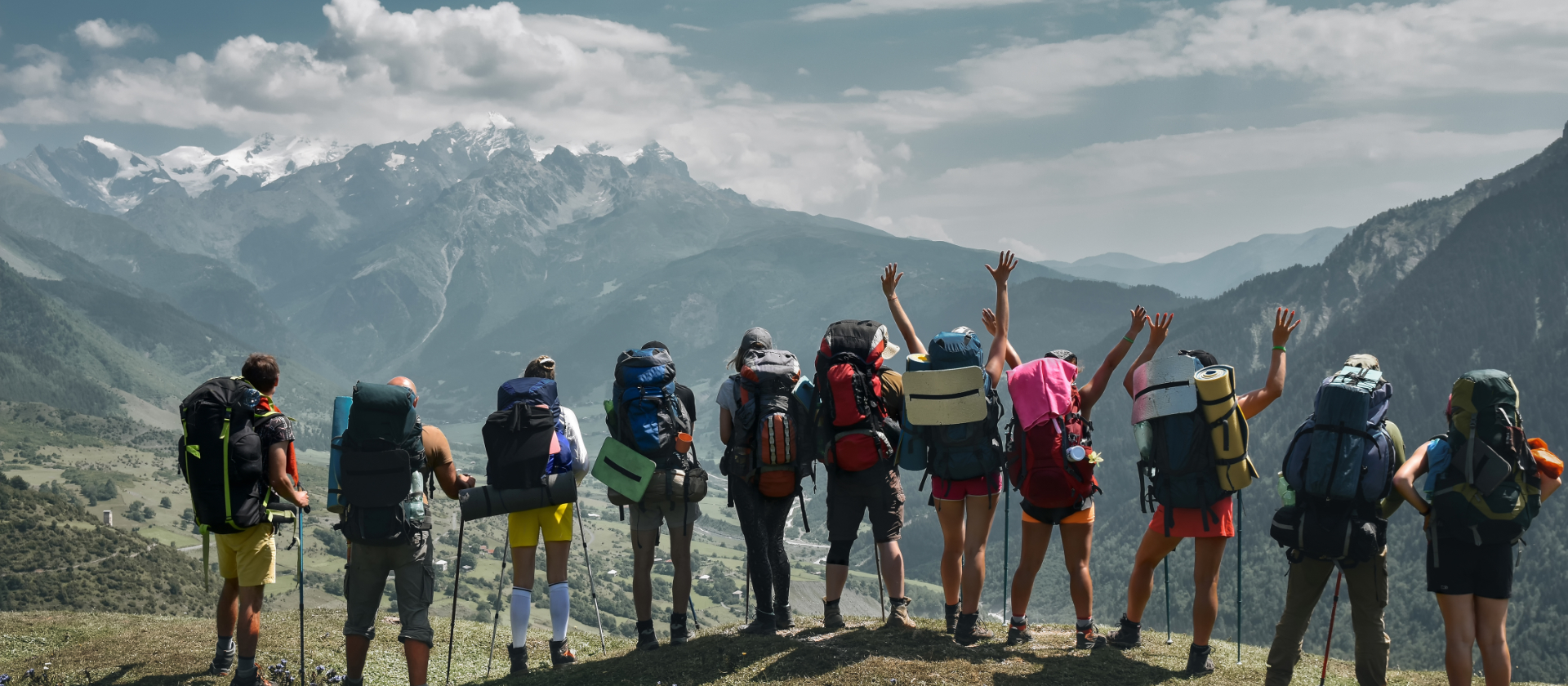
The good news: a day hike doesn't call for a big shopping list. Comfortable feet, the right clothing and a handful of safety items cover almost everything. The rest you can add as you go.
On your feet
Your footwear matters more than anything else you buy. For well-kept paths, trail runners or light hiking shoes are enough; for rocky ground or a heavier pack, ankle-high boots give more support.
- check_circleChoose a sole with real grip, not a city trainer.
- check_circleTry them on in the afternoon, with the socks you will hike in — feet swell during the day.
- check_circleBreak new boots in on short walks before a long day out.
- check_circleWear wool or synthetic socks, not cotton. They dry faster and cause fewer blisters.
What to wear
Dress in layers you can add or remove as you warm up or cool down. Avoid cotton: once it gets wet with sweat or rain it stays wet and makes you cold.
- check_circleBase layer: a synthetic or merino T-shirt that moves sweat away.
- check_circleMid layer: a fleece or light insulated jacket for breaks and summits.
- check_circleOuter layer: a waterproof, windproof jacket — even if the forecast is good.
- check_circleA hat and sunglasses; in cold months a warm hat and gloves too.
Your backpack
For a day hike a 20–30 litre pack is plenty. A hip belt and chest strap take weight off your shoulders. Put heavy items close to your back and things you need often in the top pocket.
The ten essentials
Mountaineers have used this list for decades. Not every item is needed on every short walk, but the further you go from roads, the more of them you want with you.
- check_circleNavigation: a map of the area, and your phone with the map downloaded for offline use.
- check_circleLight: a headlamp, even if you plan to be back before dark.
- check_circleSun protection: sunscreen, sunglasses, a hat.
- check_circleFirst aid: plasters, blister care, pain relief and any personal medication.
- check_circleA knife or multi-tool.
- check_circleFire: a lighter or waterproof matches.
- check_circleEmergency shelter: a foil blanket or bivvy bag weighs almost nothing.
- check_circleExtra food: more than you think you will eat.
- check_circleExtra water: roughly 0.5 litre per hour of walking, more in heat.
- check_circleExtra clothes: a dry layer for the evening or a long wait.
Keep a power bank and cable in your pack. Your phone is your map, your torch and your way to call for help — it should not run out halfway up.
Before you set off
- check_circleCheck the weather for where you are going, not where you live.
- check_circleKnow when the sun sets and turn back in time.
- check_circleTell someone your route and when you expect to be back.
- check_circleTake your rubbish home and stay on the path — leave no trace.
What can wait
Trekking poles, a water filter, a GPS watch and a bigger pack are worth buying once you know you love it and which trips you want to do. Many clubs lend gear to beginners — ask before you buy.

Pathsie can turn this into your trip checklist, keep your emergency contacts with every trip and download the map for offline use.
verifiedSources
This guide is based on the advice of these organisations.
- The Mountaineers — The Ten Essentialsopen_in_new
- British Mountaineering Council — Ultimate walking kit listopen_in_new
- Deutscher Alpenverein — Ausrüstung beim Bergwandernopen_in_new
- Leave No Trace — The 7 Principlesopen_in_new
- REI Expert Advice — Day hiking checklistopen_in_new
This guide is general information, not a substitute for training. Learn these skills on a course or with an experienced guide before relying on them.