How to choose a tent
Size, seasons, walls and weight: what to weigh up before you buy, and how to make a tent last.
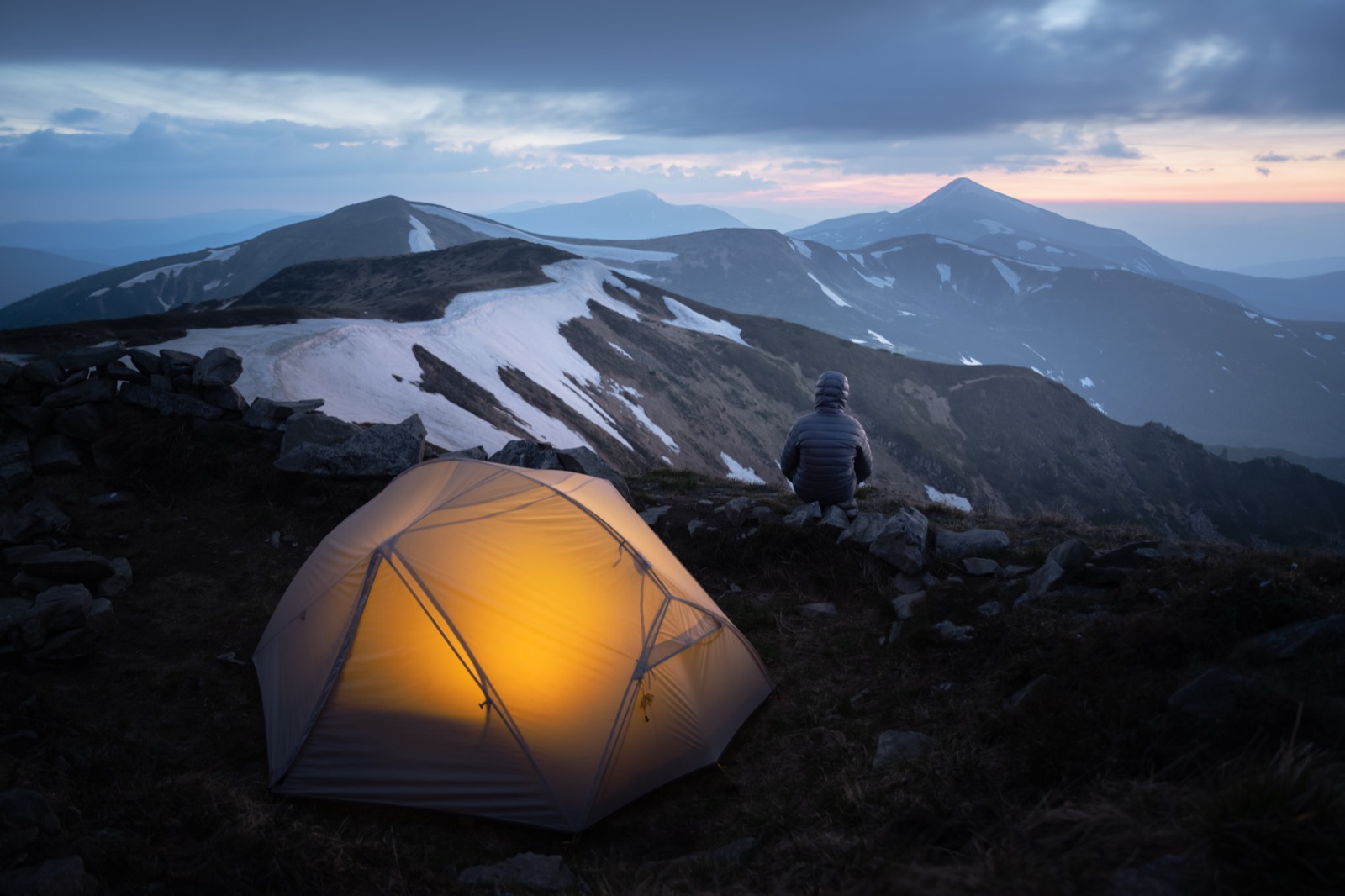
Every tent is a compromise between weight, space and toughness. Before comparing models, decide where it will live: next to the car on a campsite, or on your back for several days. A tent that is perfect for one is often a poor fit for the other.
How many people
The number on the box tells you how many sleeping mats fit side by side, and brands measure it differently. If you also want your pack inside, or you simply like elbow room, look at the next size up and compare the floor length with your height. Two people walking together save weight by sharing one two-person tent instead of carrying two singles.
Which seasons
- check_circleA three-season tent covers spring to autumn. Plenty of mesh keeps air moving, and it handles rain and moderate wind. This is the right choice for most people starting out.
- check_circleA four-season tent is designed for snow and storms: stiffer poles, less mesh and lower sides. In summer it is heavy and warm inside.
One wall or two
Most tents are double-walled: a breathable inner tent with a waterproof flysheet over it. Moisture from your breath condenses on the flysheet, and the inner tent keeps those drops off you. Single-wall shelters save some weight but rely on good venting, so they suit cool, dry conditions and experienced users better than a damp first night.
Fabric and waterproofing
Waterproofness is given as a water column in millimetres. The figure matters most for the floor, which you press into wet ground; a floor of around 3,000 mm or more is a sensible minimum. For the flysheet, seams and pitching matter more than a high number.
Details that make a difference
- check_circleTwo doors with two porches (vestibules): nobody crawls over anyone, and in wind you can keep the sheltered side open.
- check_circlePorch space: room to keep boots and packs dry outside the sleeping area.
- check_circleFreestanding poles: the tent stands without pegs, which helps on rock, sand or wooden platforms. Pole-less designs that use trekking poles are lighter but need firm ground and careful pegging.
- check_circleSitting height: worth checking if you expect to wait out bad weather inside.
Do not cook inside the tent or with the stove right at the porch wall: fabric burns quickly and stoves give off carbon monoxide.
Put the tent up once at home before the first trip and check that every pole, peg and guyline is there.
Making it last
Dry the tent completely at home after every trip, even if it looked dry when you packed it; damp fabric goes mouldy in storage. A groundsheet under the floor takes the wear from stones and roots.

Add your tent to My Gear in Pathsie and it is ready to tick off on every trip checklist.
verifiedSources
This guide is based on the advice of these organisations.
- outdoor-magazin.com — Der große Zeltratgeberopen_in_new
- SectionHiker — How to choose an ultralight tent or shelteropen_in_new
- Washington Trails Association — Is a single-wall tent right for you?open_in_new
- REI Expert Advice — How to choose a backpacking tentopen_in_new
This guide is general information, not a substitute for training. Learn these skills on a course or with an experienced guide before relying on them.